
About hook anatomy
hook anatomy publishes examples of hooks, storytelling, and the psychology behind content. The account turns concepts that can feel abstract into short, visual lessons for other creators.
THE TEACHING CHALLENGE
Make a hook recognizable.
A label such as “open loop” can be hard to apply on its own. An example gives the viewer something specific to inspect: a question left unanswered, an unexpected turn, or movement that makes the next moment interesting.
FROM ANALYSIS TO A LESSON
How to use Kabo for this kind of lesson
Kabo’s role covered both analysis and video generation. The useful starting point is a specific explanation: what happens in the clip, which hook it illustrates, and why that label fits.
The four steps below are a suggested workflow for readers, reconstructed from the finished videos. They are not a record of @hook.anatomy’s original prompts or production sequence.
1. Find the moment worth teaching
Start with a reference link in Kabo Agent and give it a focused brief: identify the opening setup, the question it creates, and the reveal or change that follows. Ask for timestamps and supporting frames or transcript lines where available.
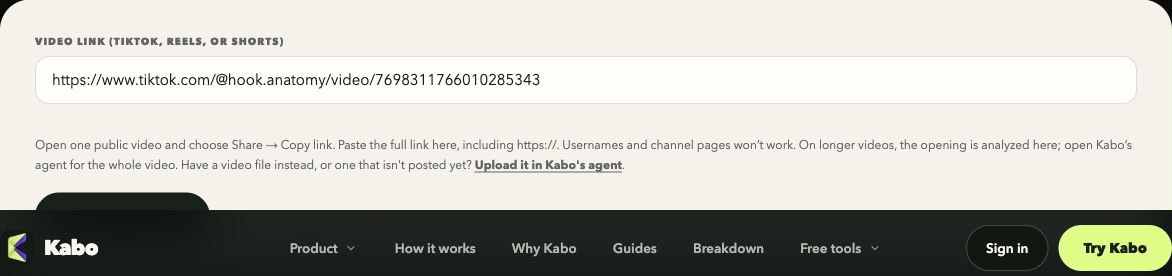
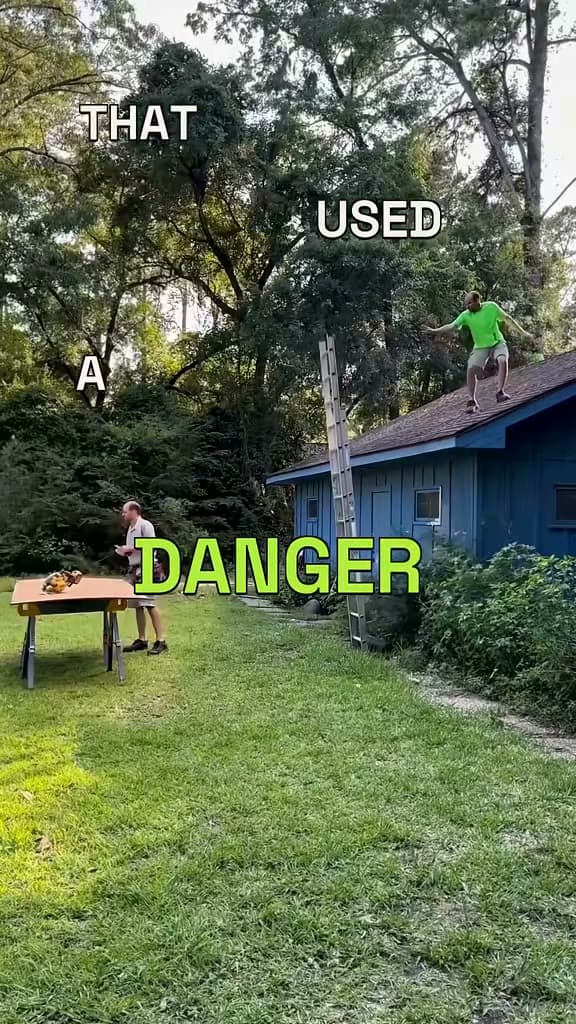
In the roof-and-ladder example, the teaching point is the visible possibility that something could go wrong. A useful analysis identifies the people, the ladder, and their positions, then explains the tension those details create. That gives the creator something concrete to check against the clip.
2. Check the label against the evidence
With video analysis, you can ask Kabo to explain a proposed classification and flag where another reading is possible. What makes this a danger hook? What remains unresolved in the open-loop example? Which change earns the transition label?
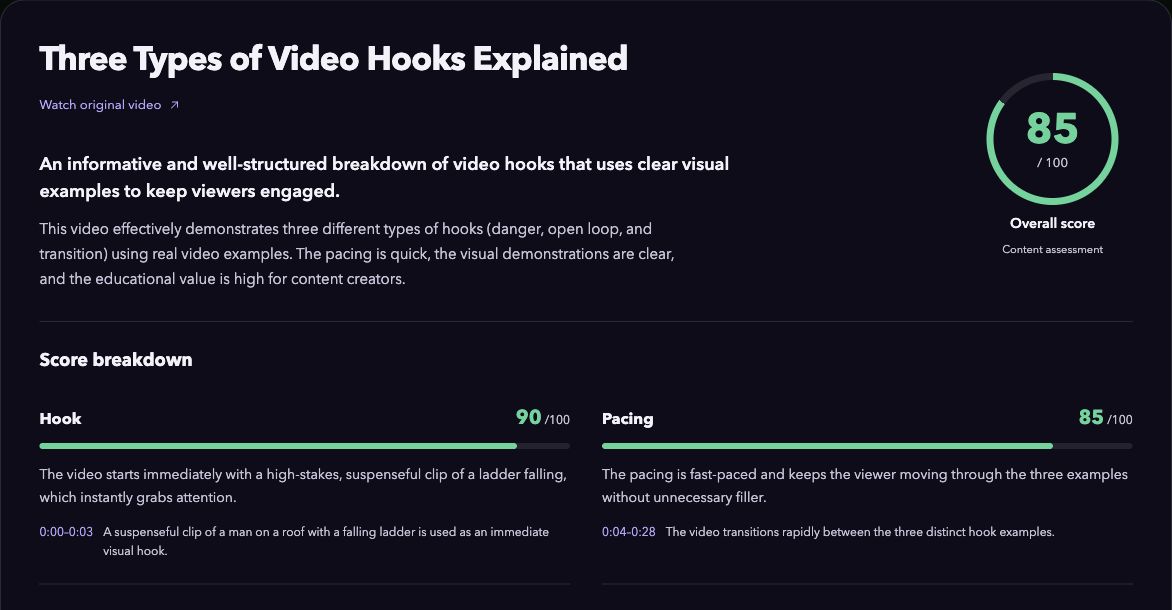
Those questions help turn a category name into a teaching point. The creator still needs to watch the relevant moment and decide whether the explanation is clear enough to stand behind.
3. Turn the explanation into a short lesson
Once the example and explanation match, Kabo’s script writing can help draft a concise teaching line and connect it to what should appear on screen. The brief can specify: let the example play, reveal the category, then explain the detail that supports it.
Choose the examples you can use and review the proposed wording and label placement before moving on to generation.
FROM THE BRIEF TO THE VIDEO
4. Generate the video with Kabo
Both featured videos were generated with Kabo. Analysis became something viewers could watch: short lessons built around examples and hook labels.
To try a similar approach, take your reviewed examples and teaching lines to Kabo Agent. Ask it to generate a short lesson with a clear sequence: show each example before revealing its hook label. Include the wording you want to use and where each label should appear.
Before publishing, watch the generated video and check that the labels match the examples, the teaching lines are accurate, and each reveal leaves enough time to understand the point.
Let the example play. Then give it a name.
The first TikTok runs for about 31 seconds and brings together three examples:
- Danger: a tense scene involving a ladder and someone working on a roof, followed by the danger-hook label.
- Open loop: an airborne object followed through a changing visual sequence, identified as an open-loop hook in the narration.
- Transition: a restaurant sequence, followed by the transition-hook label.
The caption invites viewers to spot the hook before the label appears. The ending asks them to save the examples.
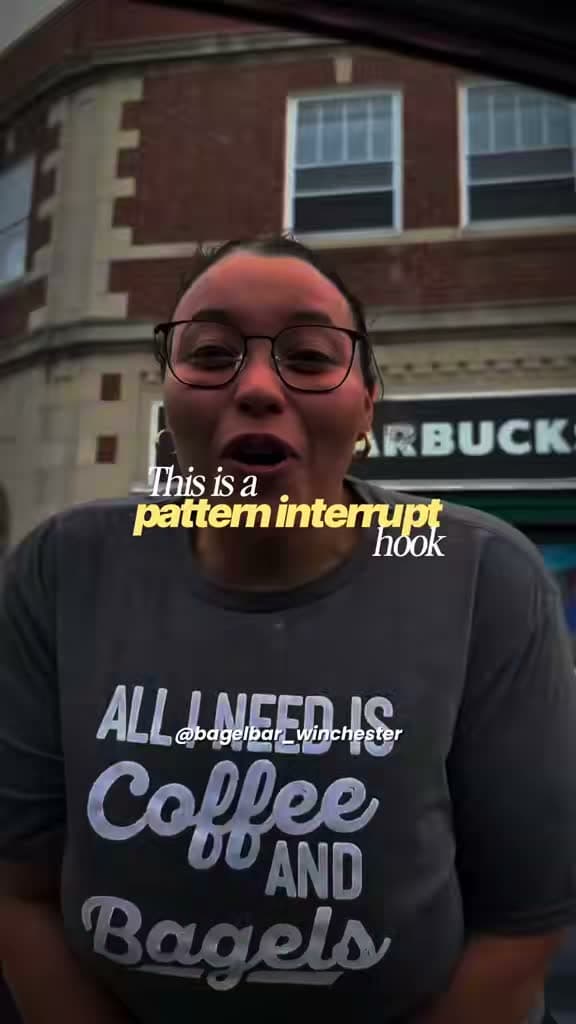
The second TikTok runs for about 25 seconds and groups three different approaches: pattern interrupt, conflict, and visual hook. Together, the posts give viewers six labeled examples to compare.
THE RESULTS
Two lessons. Two sets of examples.
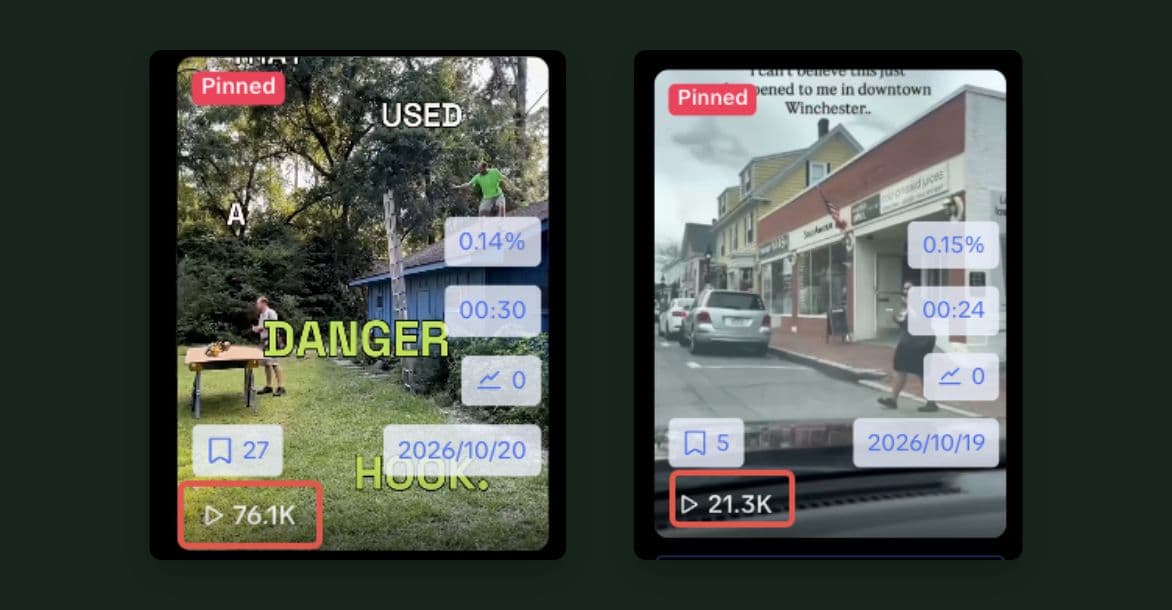
Public play counts checked on October 29, 2026:
Try the workflow.
Start with one example and one teaching point. Try this prompt:
Copy the analysis-to-video prompt
Video: [Paste one public video link]
Teaching goal: Help a creator recognize the hook in this example.

Opening: Describe what happens in the opening.
Hook mechanism: Identify the mechanism and explain why the label fits.
Evidence: Cite the moments, frames, or transcript lines that support your reading.
Ambiguity: Flag any classification that could reasonably be read another way.
Teaching line: Suggest one short explanation tied to the example.
Label placement: Suggest where the hook label could appear.

Keep observations separate from suggestions. First return the analysis and proposed teaching lines for my review.

After I approve the examples and wording, generate a short video lesson: show each example before revealing its hook label. Use the approved teaching lines and label placement. I will review the generated video before publishing.
Replace the placeholder with your reference link. Review the analysis first, then approve the examples and wording before asking Kabo to generate the lesson.
Keep one question for your next round of content planning: which example would make this idea easiest for your audience to recognize?
Public play counts checked October 29, 2026. Counts describe plays, not unique viewers. Product screenshots show a fresh demonstration using the finished 76K-view video. Headline counts are rounded; screenshots retain the counts shown when captured. The workflow and prompt are reader exercises inspired by the finished posts.