
The viewer knows the outcome before context.
AI video analysis
See where a video earns attention.
Kabo connects the hook, pacing, structure and payoff to the moment you can inspect—then turns the strongest evidence into one practical revision.
Visible source and analysis window · no reach or virality guarantee
 Source video
“Here’s the result before I show the process.”
Opening review00:00–00:12
00:0000:0300:0800:12
00:03 · HOOKThe result arrives early.
The viewer can identify the payoff before the explanation starts.
TEST NEXTMove proof one beat earlier.
Keep the topic. Change only the first visual reveal.
Why analyze video in Kabo
A useful review points to the moment—not just the score.
Every finding stays attached to an available frame, timestamp, transcript line or supplied metric, so you can see what supports the recommendation and what the source cannot prove.
Hook analysisFirst 3 seconds
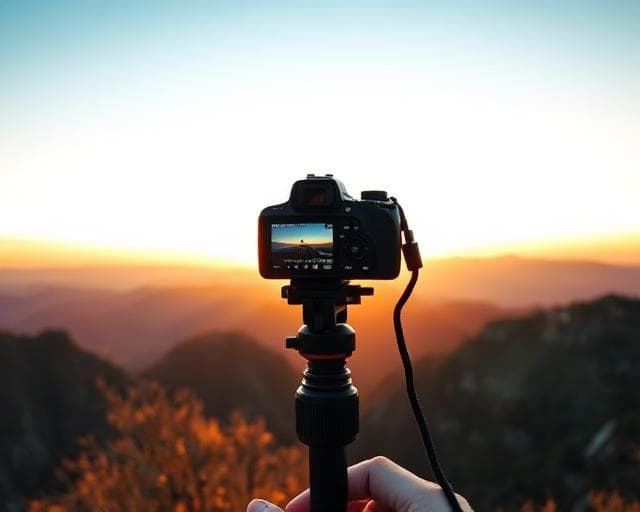 00:00–00:03
Move it beside the opening claim to reduce the gap.
Observation tied to 00:00–00:03 · not a retention claim
01 · Diagnose the opening
Find the gap between the first promise and its proof.
Inspect the first seconds as a sequence: what the viewer hears, what appears on screen and how quickly the payoff becomes clear.
Try Kabo02 · Read the structure
See where the story moves—and where it stalls.
Map the available video into observable beats, then use frames and transcript evidence to locate repeated context, delayed proof or an unclear transition.
Try Kabo Structure mapVisible sequence
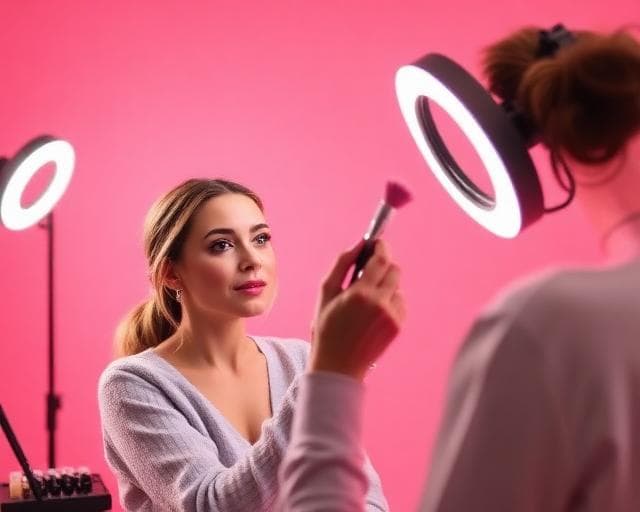 00:0600:13
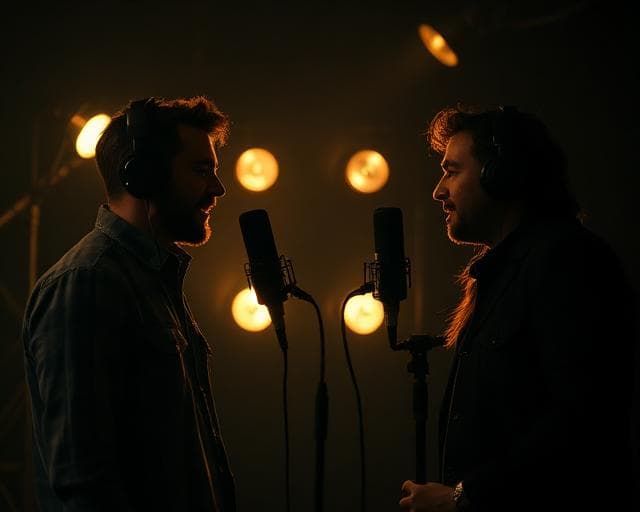 00:20
ResultStrong
ContextLong
ProcessClear
PayoffLate
Frames and transcript align here; private watch behavior is unavailable
Revision briefOne controlled test
It makes the promise concrete.
Compress repeated context into one sentence.
Reveal the finished result beside the first claim.
ALTERNATIVE OPENING
“This took 11 minutes—and the part that changed the result was not the edit.”
03 · Choose the next revision
Turn the diagnosis into one edit you can test.
Keep the supported strength, tighten the clearest friction and change one variable so the next version can teach you something useful.
Try KaboStart with tools you can use now
Bring one video and one clear question.
Choose the tool that matches the platform or the part of the video you want to inspect. Each review keeps its available source visible.
00:01Use this tool
AI Video Analyzer
Review the hook, structure, pacing and timestamped evidence.
00:02Use this tool
Hook Analyzer
Inspect the first seconds and find a clearer reason to continue.
00:03Use this tool
YouTube Video Analyzer
Read a YouTube video's opening, progression and delivery in context.
00:04Use this tool
Instagram Reel Analyzer
Break down a public Reel into visible moments and practical edits.
Built for
The editing decisions that are hard to see from inside the timeline.
Video analysis works best when you have a concrete question and material that can support the answer.
01
Fix the first beatThe opening feels slow
Locate the first clear promise, proof and unnecessary setup before rewriting everything.
02
Compare the editTwo similar videos perform differently
Compare observable choices without treating public results as proof of a hidden cause.
03
Create an edit briefA draft needs an outside review
Turn vague feedback into timestamped observations the editor can act on.
04
Map the structureYou want to remake—not copy—a strong video
Study the sequence, pacing and payoff while keeping your own topic and voice.
How to analyze a video in Kabo
Four steps from source video to a testable edit.
Share the available video
Paste a supported public URL or provide material you are allowed to analyze.
Choose the review question
Focus on the opening, structure, pacing, payoff or a specific comparison.
Inspect timestamped evidence
Review the available frames, transcript and metadata behind each observation.
Test the smallest useful change
Keep the topic stable, change one supported element and compare the next result.
Public video evidence cannot reveal private retention, traffic sources, recommendation decisions or causation. Kabo labels missing inputs instead of filling them in.
Discover other tools in Kabo
Continue from the edit into the next content decision.
Explore trend context, creator evidence, account patterns and planning tools after you understand the video itself.
01 / 06
Helpful resources for video analysis
Learn what the evidence can—and cannot—tell you.
AI video analysis
Can AI analyze videos?
Understand the inputs an AI review can use and where the limits begin.
Read guide HooksHow long should a video hook be?
Evaluate the opening by what it communicates, not a universal stopwatch rule.
Read guide Video patternsWhat viral videos have in common
Study recurring creative patterns without turning them into a growth promise.
Read guide Evidence limitsWhy did the same video get different views?
See why similar content and different outcomes do not reveal one certain cause.
Read guideQuestions, answered plainly
Know what the review sees before you use the recommendation.
What can Kabo use to analyze a video?
The exact input depends on the tool and source. Kabo may use an accessible public page, supplied video material, visible frames, transcript and available metadata. Each result should identify what was actually available for review.
Does Kabo watch the actual video?
When the source allows it, Kabo can review the available video material, frames and transcript. A public page that cannot expose those inputs will produce a more limited analysis, and that limitation remains visible.
Can Kabo see audience retention from a public link?
No. A public link does not expose private retention curves, traffic sources or viewer-level behavior. Kabo does not estimate those metrics from public views; you need to provide authorized first-party analytics when a workflow supports them.
What does a video analysis score mean?
A score summarizes the dimensions available in that review, such as opening clarity, structure or pacing. It is a diagnostic aid tied to visible evidence—not a prediction of reach or a universal quality grade.
Can I analyze YouTube videos and Instagram Reels?
Yes, Kabo has dedicated public tools for YouTube videos and Instagram Reels as well as a cross-platform Video Analyzer. Source availability and the useful analysis window differ by platform and format.
Will Kabo rewrite the whole video?
The analysis starts with the smallest supported change: a clearer opening, a tighter transition, earlier proof or a better-aligned payoff. You can carry that evidence into a larger rewrite when the material supports it.
Can video analysis predict whether a video will go viral?
No. Kabo can identify observable strengths, friction and testable revisions, but it cannot predict distribution or guarantee views, retention, followers or virality.
Your next edit, with evidence
See the moment. Make the change. Test the next version.
Start with the video you have. Kabo keeps the source, timestamp and missing inputs visible while helping you choose one practical revision.